
Wildlife
Leopard
The leopard (Panthera pardus) /ˈlɛpərd/ is one of the five species in the genus Panthera, a member of the Felidae.
Recorded year-round
Recorded in every month, so no month is the wrong month to look. We would rather say that than invent a best time.
Curve from 3,721 national iNaturalist observations, not from one property. Single-month spikes are discarded as upload artefacts, and below 50 records we show no curve at all.
Mpumalanga and beyond
Provinces where Leopard is most recorded. Tap one to find places to stay.
3,720 records, iNaturalist
Parks where hosts record the Leopard
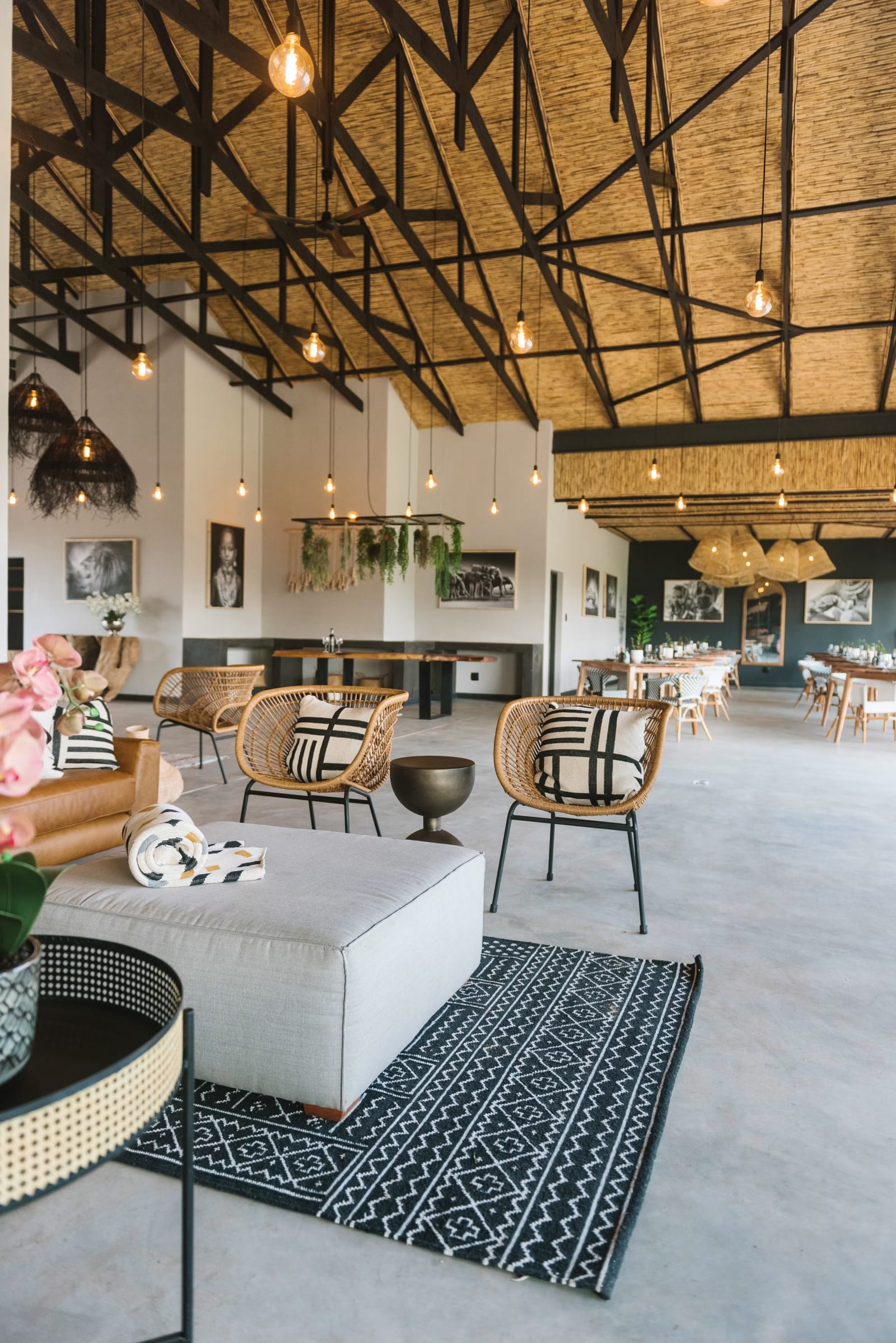 Kruger National ParkLimpopo · Best Apr to Sep17 places
 Kgalagadi Transfrontier ParkNorthern Cape · Best Aug to Oct7 places
 Phinda Private Game ReserveKwaZulu-Natal · Year-round6 places
 Gondwana Game ReserveWestern Cape · Best Sep to Apr5 places
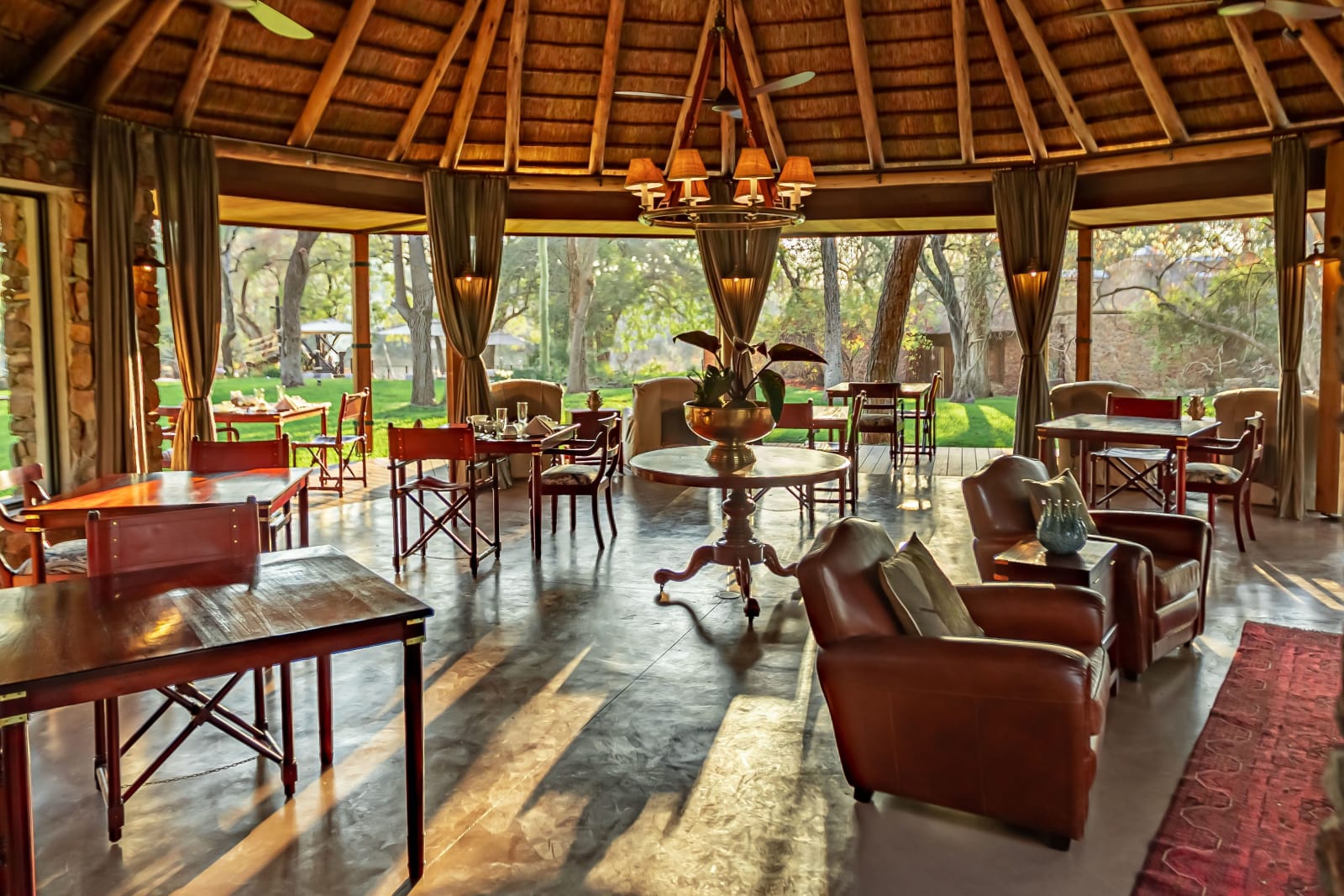 Sabi Sand Game ReserveMpumalanga · Year-round4 places
 Welgevonden Game ReserveLimpopo · Best May to Sep3 places
 Addo Elephant National ParkEastern Cape · Year-round2 places
 Amakhala Game ReserveEastern Cape · Year-round2 places
 Timbavati Private Nature ReserveLimpopo · Best May to Sep2 places
 Madikwe Game ReserveNorth West · Best Apr to Sep1 place
 Marakele National ParkLimpopo · Best May to Sep1 place
 Mont Eco Private Game ReserveWestern Cape · Year-round1 place
Places to stay
75+ results in South Africa





The leopard is the most widespread big cat in Africa and the hardest to see. It is solitary, largely nocturnal and it hides in exactly the cover that makes it invisible: riverine thickets, rocky kloofs and the branches of big trees. Two very different leopards live in South Africa. The bushveld leopard of the Lowveld is heavy, relatively relaxed around vehicles in the reserves where it has been watched for decades, and the reason the Sabi Sand has a worldwide reputation. The Cape leopard of the fynbos mountains is small, wary and almost never seen; it is known from camera traps, tracks and the work of the Cape Leopard Trust.
For the bushveld leopard, the dry winter is best and night is better than day. The private reserves on the Kruger boundary allow off-road driving and spotlit night drives, which is the single largest difference in your odds. Rivers matter: leopards follow drainage lines, and a drive that works the riverine bush at dusk is doing the right thing.
Pair a leopard trip with the rest of the Big Five in the same reserve, or go the other way and walk the Cederberg and the Boland mountains where the Cape leopard lives, knowing you will see its country rather than the animal.
- Which parks and reserves are best for the Leopard in South Africa?
- Hosts on Spekboom have recorded the Leopard at stays in or beside Kruger National Park, Kgalagadi Transfrontier Park, Phinda Private Game Reserve, Gondwana Game Reserve, Sabi Sand Game Reserve and Welgevonden Game Reserve and other reserves. A record means a host has seen it on the property or nearby, which makes these the places to base yourself; it is never a guarantee of a sighting on any given day.
- Where can you see the Leopard in South Africa?
- The Leopard is most recorded in Mpumalanga (50% of records), Limpopo (20% of records), Western Cape (16% of records), based on 3 720 iNaturalist observations. 97 places to stay on Spekboom in South Africa have recorded the Leopard on site or nearby.
- When is the best time to see the Leopard?
- The Leopard is recorded throughout the year, so no month is the wrong month to look for it. For the parks where hosts record it most, these are the best seasons they give. Kruger National Park: Apr-Sep; Kgalagadi Transfrontier Park: Aug-Oct, flowers, Mar-May; Phinda Private Game Reserve: year-round, dry season May-Sep; Gondwana Game Reserve: Sep-Apr, flowers Aug-Oct. In the dry months animals concentrate at water and the grass is short.
- What is the conservation status of the Leopard?
- The Leopard (Panthera pardus) is listed as Vulnerable on the IUCN Red List.
- What is the Leopard?
- The leopard (Panthera pardus) /ˈlɛpərd/ is one of the five species in the genus Panthera, a member of the Felidae. The leopard occurs in a wide range in sub-Saharan Africa and parts of Asia and is listed as Vulnerable on the IUCN Red List because leopard populations are threatened by habitat loss and fragmentation, and are declining in large parts of the global range.
- When is the best time to see a leopard?
- The dry winter months, May to September, and after dark. Leopards are mostly nocturnal, so a spotlit night drive or the last hour of a late afternoon drive is worth more than a whole morning. Even in the best reserves a sighting is luck, never a promise.
- Where are the best places to see leopards in South Africa?
- The Sabi Sand Game Reserve and the other private reserves on the western Kruger boundary, where generations of leopards are used to vehicles, followed by Kruger itself, the Timbavati, and Phinda and Hluhluwe-iMfolozi in Zululand. The Cape leopard of the fynbos mountains lives across the Cederberg and the Boland but is very rarely seen.
- What is a Cape leopard?
- The same species as the bushveld leopard, but the mountain populations of the Western and Eastern Cape are notably smaller, live at low density across large territories and avoid people almost completely. Research by the Cape Leopard Trust is done with camera traps and collars. Staying in the Cederberg or the Boland supports that work without promising you a sighting.