
Wildlife
Cheetah
The cheetah /ˈtʃiːtə/ (Acinonyx jubatus) is a large felid of the subfamily Felinae that occurs mainly in eastern and southern Africa and a few parts of Iran.
Recorded year-round
Recorded in every month, so no month is the wrong month to look. We would rather say that than invent a best time.
Curve from 1,699 national iNaturalist observations, not from one property. Single-month spikes are discarded as upload artefacts, and below 50 records we show no curve at all.
Mpumalanga and beyond
Provinces where Cheetah is most recorded. Tap one to find places to stay.
1,699 records, iNaturalist
Parks where hosts record the Cheetah
 Kruger National ParkLimpopo · Best Apr to Sep13 places
 Kgalagadi Transfrontier ParkNorthern Cape · Best Aug to Oct8 places
 Phinda Private Game ReserveKwaZulu-Natal · Year-round6 places
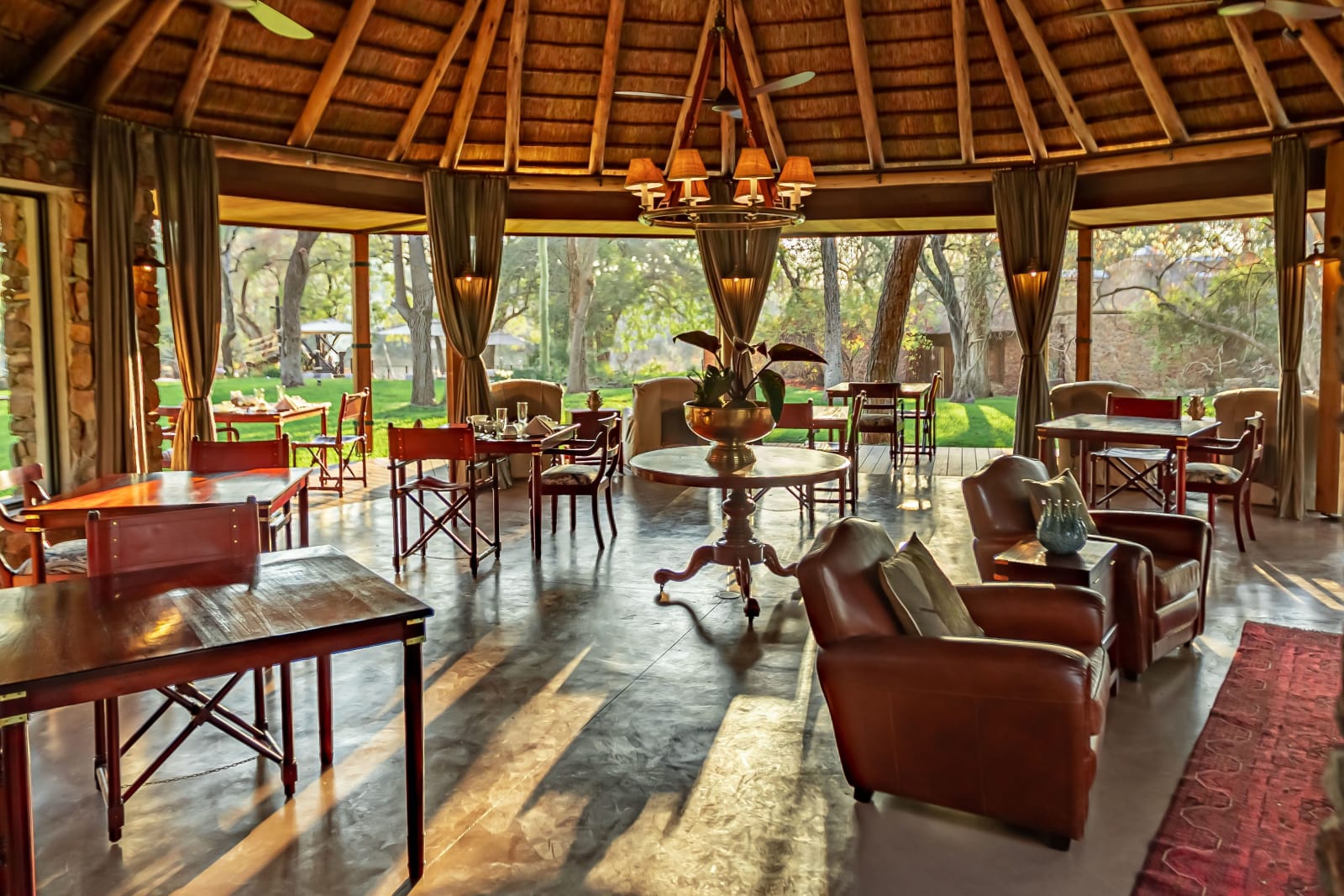 Sabi Sand Game ReserveMpumalanga · Year-round4 places
 Amakhala Game ReserveEastern Cape · Year-round2 places
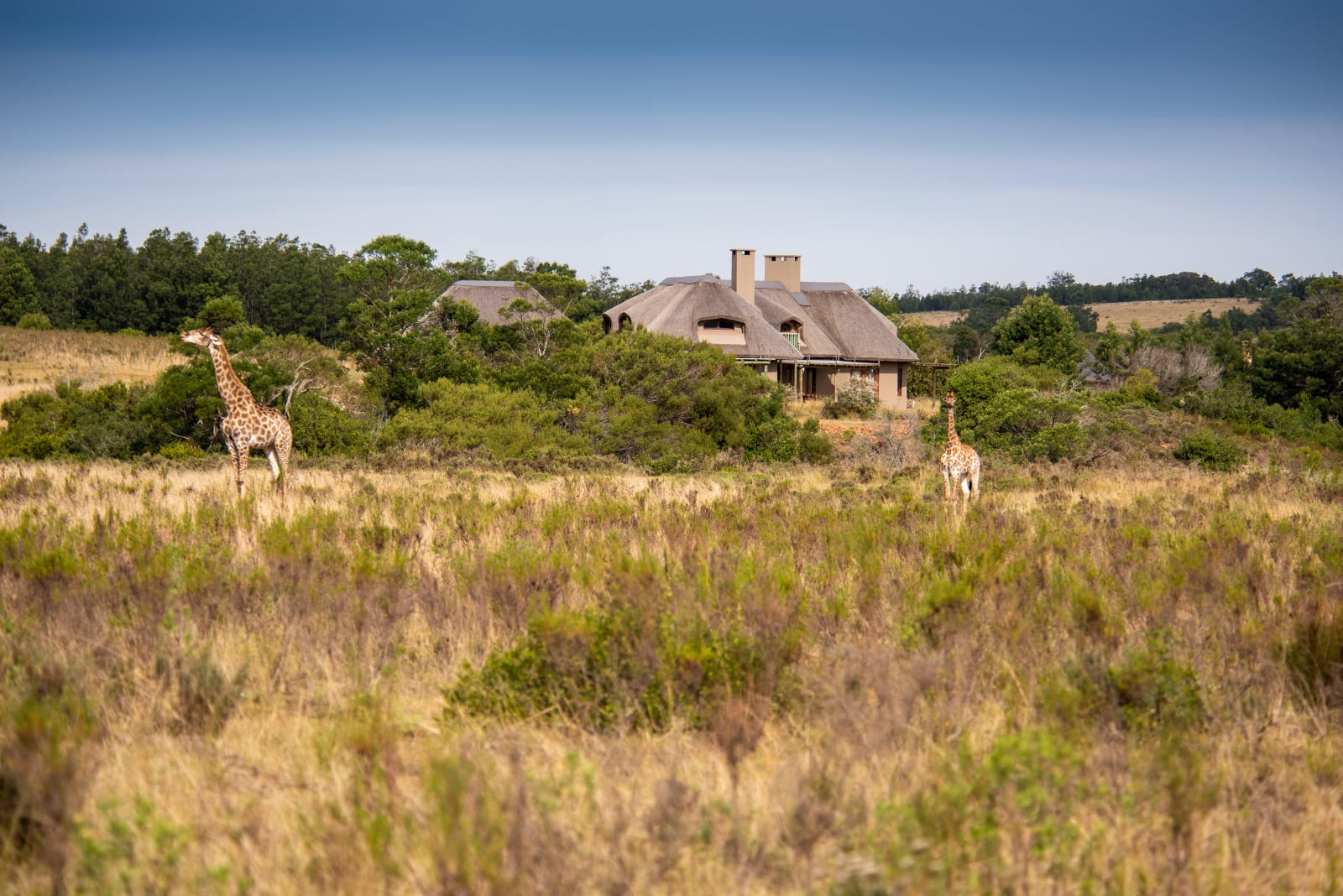 Gondwana Game ReserveWestern Cape · Best Sep to Apr2 places
 Timbavati Private Nature ReserveLimpopo · Best May to Sep2 places
 Welgevonden Game ReserveLimpopo · Best May to Sep2 places
 Madikwe Game ReserveNorth West · Best Apr to Sep1 place
 Mountain Zebra National ParkEastern Cape · Year-round1 place
Places to stay
50+ results in South Africa




Cheetahs hunt by daylight and by sight, which changes everything about how to look for them. They need open country to run in and they avoid the thick bush where lions and hyenas can ambush them, so the places to look are the grass plains and the dry riverbeds: the Kgalagadi Transfrontier Park in the Northern Cape, Phinda in Zululand, Madikwe and Pilanesberg in the North West, and the open eastern grasslands of the Kruger.
Unlike the cats that hunt at night, a cheetah is often up and moving in the middle of the morning, and it hunts in the cooler hours at either end of the day. Look at raised ground: termite mounds, fallen trees and riverbank edges are where a cheetah sits to scan. The dry season concentrates prey and thins the grass, which helps, but an open-country species is visible in any season the grass is short.
South Africa runs one of the most active carnivore conservation programmes in the world for this species, moving cheetahs between fenced reserves to keep the population genetically healthy, work the Endangered Wildlife Trust has led for years. Pair a cheetah trip with the rest of the Kalahari, or with a Zululand reserve where wild dog and rhino share the same ground.
- Which parks and reserves are best for the Cheetah in South Africa?
- Hosts on Spekboom have recorded the Cheetah at stays in or beside Kruger National Park, Kgalagadi Transfrontier Park, Phinda Private Game Reserve, Sabi Sand Game Reserve, Amakhala Game Reserve and Gondwana Game Reserve and other reserves. A record means a host has seen it on the property or nearby, which makes these the places to base yourself; it is never a guarantee of a sighting on any given day.
- Where can you see the Cheetah in South Africa?
- The Cheetah is most recorded in Mpumalanga (30% of records), Limpopo (21% of records), KwaZulu-Natal (16% of records), based on 1 699 iNaturalist observations. 65 places to stay on Spekboom in South Africa have recorded the Cheetah on site or nearby.
- When is the best time to see the Cheetah?
- The Cheetah is recorded throughout the year, so no month is the wrong month to look for it. For the parks where hosts record it most, these are the best seasons they give. Kruger National Park: Apr-Sep; Kgalagadi Transfrontier Park: Aug-Oct, flowers, Mar-May; Phinda Private Game Reserve: year-round, dry season May-Sep; Sabi Sand Game Reserve: year-round, dry season May-Sep optimal. In the dry months animals concentrate at water and the grass is short.
- What is the conservation status of the Cheetah?
- The Cheetah (Acinonyx jubatus) is listed as Vulnerable on the IUCN Red List.
- What is the Cheetah?
- The cheetah /ˈtʃiːtə/ (Acinonyx jubatus) is a large felid of the subfamily Felinae that occurs mainly in eastern and southern Africa and a few parts of Iran. The only extant member of the genus Acinonyx, the cheetah was first described by Johann Christian Daniel von Schreber in 1775.
- When is the best time to see a cheetah?
- Cheetahs hunt in daylight, so mid-morning and late afternoon are both productive, unlike lion and leopard. The dry winter thins the grass and concentrates prey, which improves the odds. No season guarantees a sighting.
- Where are the best places to see cheetahs in South Africa?
- The Kgalagadi Transfrontier Park, where the dune streets and dry riverbeds give long views, Phinda Private Game Reserve in Zululand, Madikwe and Pilanesberg in the North West, and the open eastern grasslands of the Kruger.
- Why are cheetahs harder to find than lions?
- They live at much lower density, they hold no fixed territory the way a pride does, and they avoid the thick cover where other predators concentrate. A cheetah also moves a long way in a day. The compensation is that they are active when you are, and a hunt in the open is the most dramatic thing on the plains.