
Wildlife
Cape Buffalo
The African buffalo or Cape buffalo (Syncerus caffer) is a large African bovine.
Recorded year-round
Recorded in every month, so no month is the wrong month to look. We would rather say that than invent a best time.
Curve from 5,363 national iNaturalist observations, not from one property. Single-month spikes are discarded as upload artefacts, and below 50 records we show no curve at all.
Mpumalanga and beyond
Provinces where Cape Buffalo is most recorded. Tap one to find places to stay.
5,363 records, iNaturalist
Parks where hosts record the Cape Buffalo
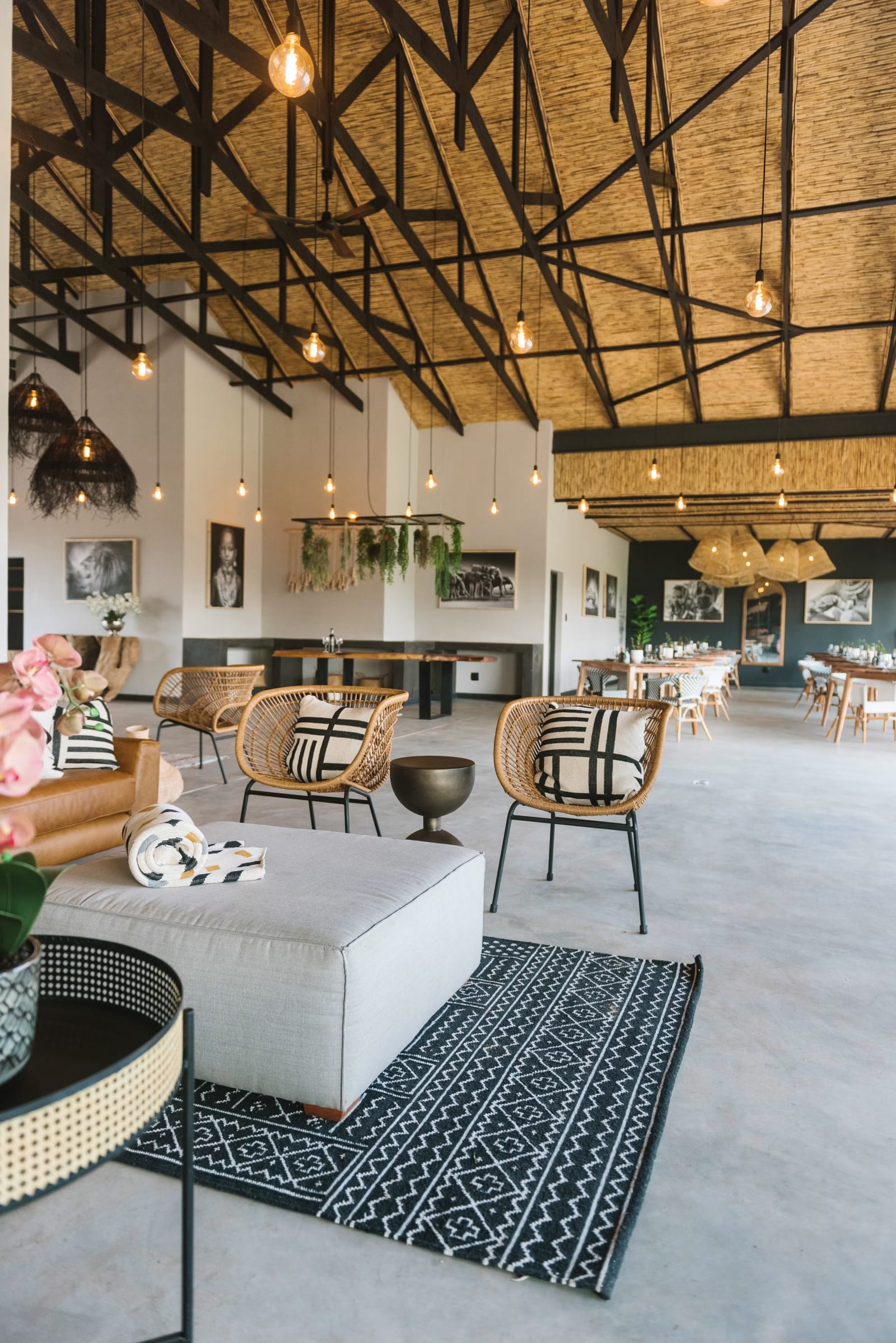 Kruger National ParkLimpopo · Best Apr to Sep7 places
 Phinda Private Game ReserveKwaZulu-Natal · Year-round6 places
 Gondwana Game ReserveWestern Cape · Best Sep to Apr5 places
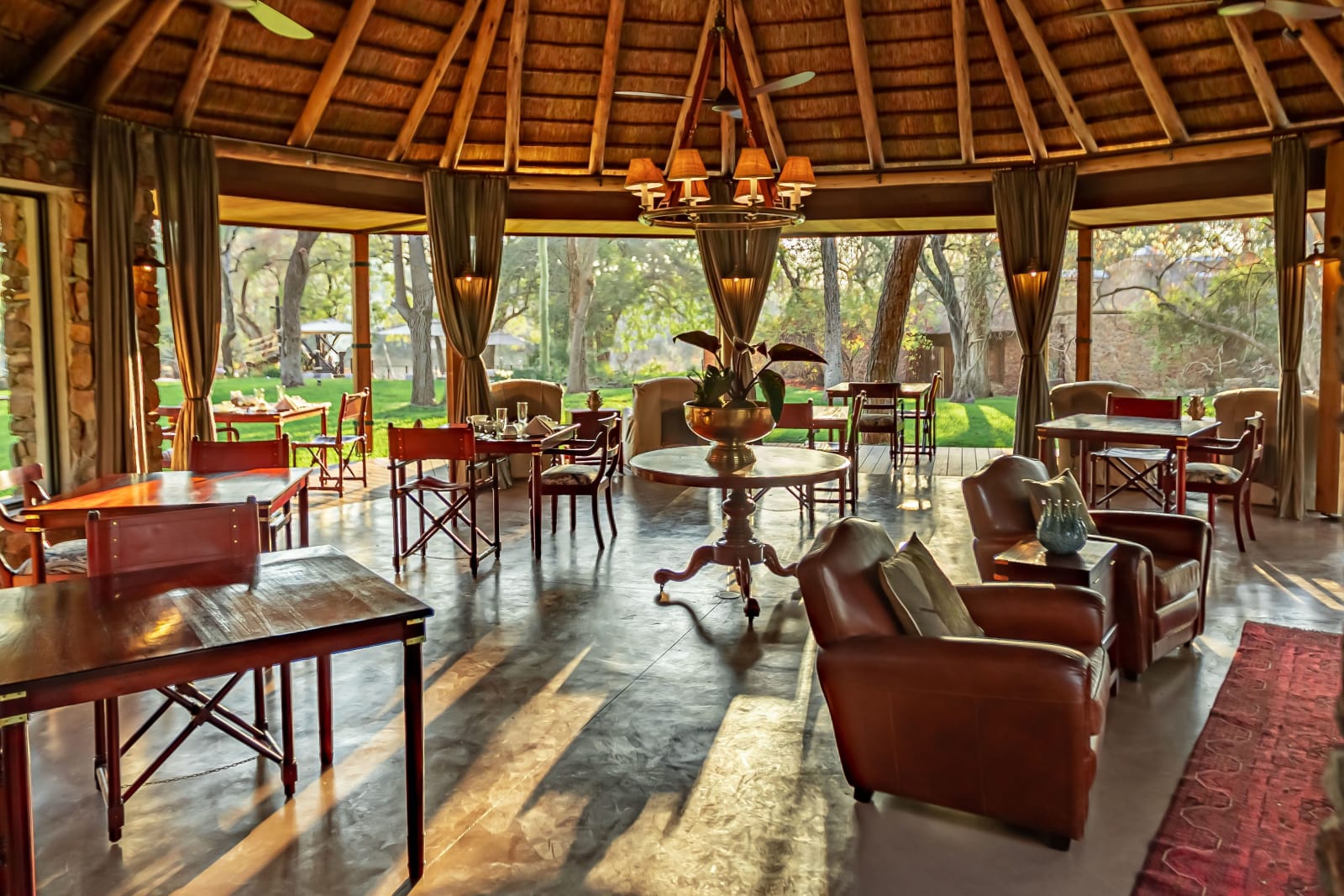 Sabi Sand Game ReserveMpumalanga · Year-round4 places
 Welgevonden Game ReserveLimpopo · Best May to Sep3 places
 Addo Elephant National ParkEastern Cape · Year-round2 places
 Amakhala Game ReserveEastern Cape · Year-round2 places
 Timbavati Private Nature ReserveLimpopo · Best May to Sep2 places
 Madikwe Game ReserveNorth West · Best Apr to Sep1 place
 Mont Eco Private Game ReserveWestern Cape · Year-round1 place
Places to stay
50+ results in South Africa




Buffalo are Big Five because of what they do when wounded, not because they are hard to find. Herds of several hundred move through the Lowveld and the Zululand reserves as a grey mass with birds riding on them, and they need water daily, so in the dry season they are predictable: find the river or the waterhole in the late afternoon and wait.
Kruger and the private reserves on its boundary hold the largest herds, and Addo in the Eastern Cape has a well-known population in the thicket, one of the few disease-free herds in the country. Hluhluwe-iMfolozi and the Zululand reserves are the third stronghold. May to September is the season for the same reason it is for everything else: water is scarce and the animals come to it.
The animals to treat with the most care are the old bulls, the dagga boys, who leave the herd and spend their days in mud wallows and thick riverine bush, usually in twos and threes. They are the reason buffalo have the reputation they do. Pair a buffalo trip with the rest of the Big Five in the same reserve, or with the Albany Thicket story in the Eastern Cape.
- Which parks and reserves are best for the Cape Buffalo in South Africa?
- Hosts on Spekboom have recorded the Cape Buffalo at stays in or beside Kruger National Park, Phinda Private Game Reserve, Gondwana Game Reserve, Sabi Sand Game Reserve, Welgevonden Game Reserve and Addo Elephant National Park and other reserves. A record means a host has seen it on the property or nearby, which makes these the places to base yourself; it is never a guarantee of a sighting on any given day.
- Where can you see the Cape Buffalo in South Africa?
- The Cape Buffalo is most recorded in Mpumalanga (36% of records), Limpopo (22% of records), KwaZulu-Natal (20% of records), based on 5 363 iNaturalist observations. 70 places to stay on Spekboom in South Africa have recorded the Cape Buffalo on site or nearby.
- When is the best time to see the Cape Buffalo?
- The Cape Buffalo is recorded throughout the year, so no month is the wrong month to look for it. For the parks where hosts record it most, these are the best seasons they give. Kruger National Park: Apr-Sep; Phinda Private Game Reserve: year-round, dry season May-Sep; Gondwana Game Reserve: Sep-Apr, flowers Aug-Oct; Sabi Sand Game Reserve: year-round, dry season May-Sep optimal. In the dry months animals concentrate at water and the grass is short.
- What is the conservation status of the Cape Buffalo?
- The Cape Buffalo (Syncerus caffer) is listed as Near Threatened on the IUCN Red List.
- What is the Cape Buffalo?
- The African buffalo or Cape buffalo (Syncerus caffer) is a large African bovine. It is not closely related to the slightly larger wild water buffalo of Asia and its ancestry remains unclear. Syncerus caffer caffer, the Cape buffalo, is the typical subspecies, and the largest one, found in South and East Africa. S. c.
- When is the best time to see buffalo?
- The dry winter months, May to September, when herds come to water daily and the bush is thin. Late afternoon at a waterhole or river crossing is the most reliable time of day. Buffalo are the least seasonal of the Big Five because their need for water is constant.
- Where are the best places to see buffalo?
- Kruger and the private reserves on its western boundary, Addo Elephant National Park in the Eastern Cape, and Hluhluwe-iMfolozi and the other Zululand reserves. Herds of several hundred are normal in all three.
- Are buffalo dangerous?
- Treated with respect from a vehicle, a herd is calm. Old solitary bulls in thick bush are the ones with the reputation, and walking safaris give them a wide berth. Never approach buffalo on foot outside a guided walk, and follow your guide without argument if one is encountered.