
Wildlife
African Elephant
The African bush elephant (Loxodonta africana), also known as the African savanna elephant, is the larger of the two species of African elephants.
Recorded year-round
Recorded in every month, so no month is the wrong month to look. We would rather say that than invent a best time.
Curve from 10,842 national iNaturalist observations, not from one property. Single-month spikes are discarded as upload artefacts, and below 50 records we show no curve at all.
Mpumalanga and beyond
Provinces where African Elephant is most recorded. Tap one to find places to stay.
10,842 records, iNaturalist
Parks where hosts record the African Elephant
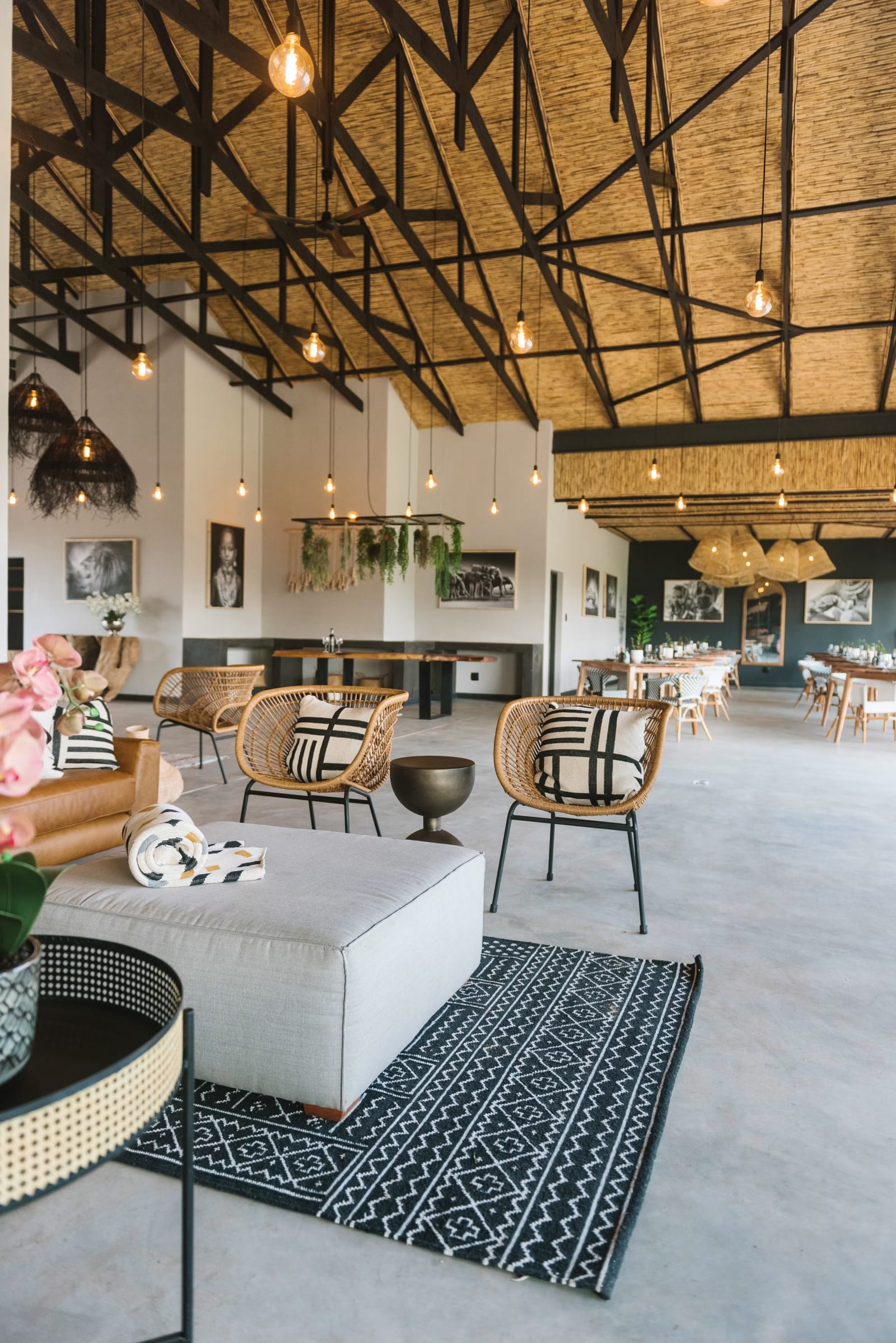 Kruger National ParkLimpopo · Best Apr to Sep7 places
 Phinda Private Game ReserveKwaZulu-Natal · Year-round6 places
 Gondwana Game ReserveWestern Cape · Best Sep to Apr5 places
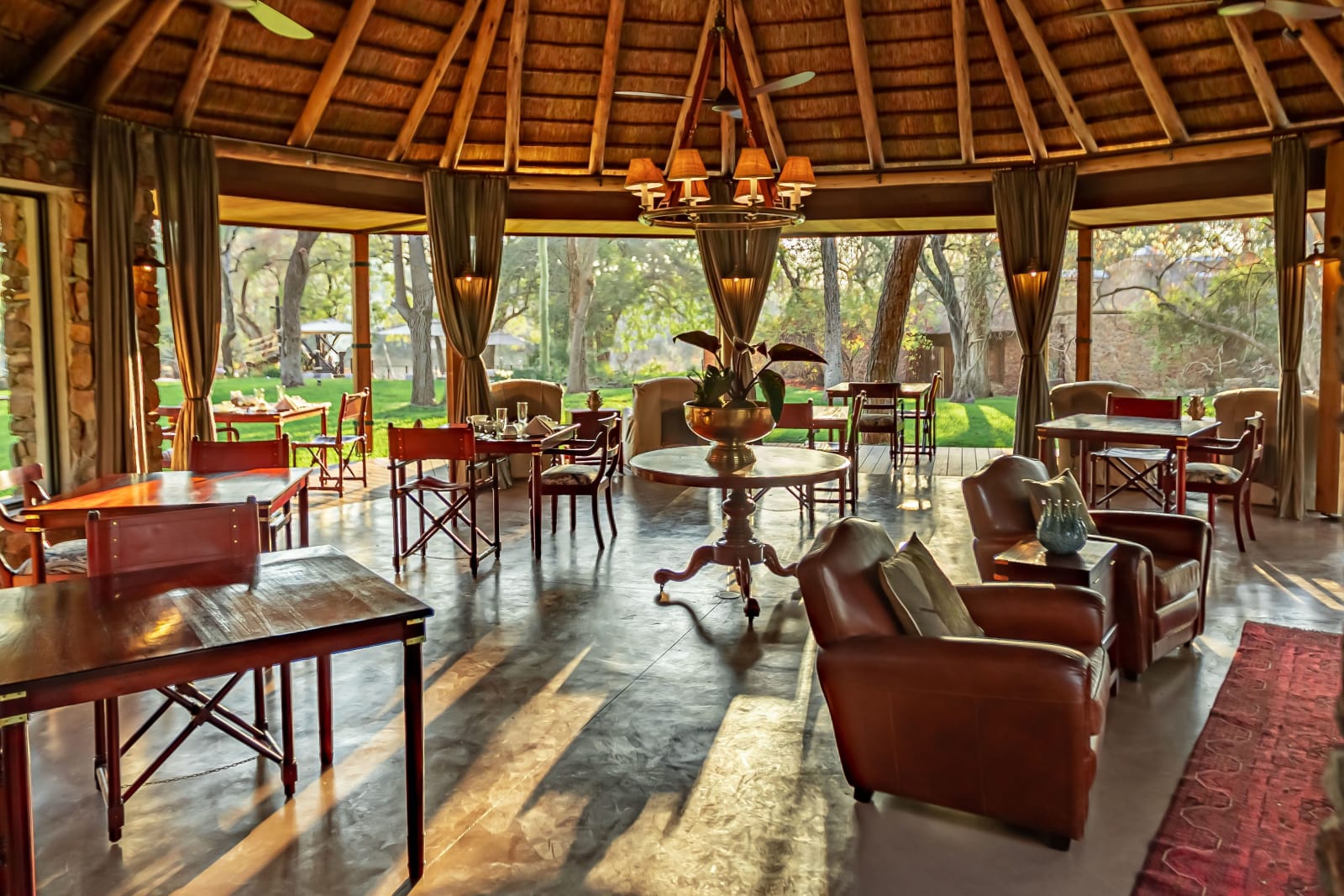 Sabi Sand Game ReserveMpumalanga · Year-round4 places
 Welgevonden Game ReserveLimpopo · Best May to Sep3 places
 Addo Elephant National ParkEastern Cape · Year-round2 places
 Amakhala Game ReserveEastern Cape · Year-round2 places
 Timbavati Private Nature ReserveLimpopo · Best May to Sep2 places
 Madikwe Game ReserveNorth West · Best Apr to Sep1 place
 Marakele National ParkLimpopo · Best May to Sep1 place
 Mont Eco Private Game ReserveWestern Cape · Year-round1 place
Places to stay
50+ results in South Africa




Elephants are the easiest of the Big Five to find and the most rewarding to sit with. They need a great deal of water and even more food, so in the dry season they are tied to rivers and waterholes and they move in daylight, which is the opposite of most big game. Addo Elephant National Park in the Eastern Cape is the surest place in the country: it was fenced in 1931 around the last eleven elephants of the Sundays River valley and now holds more than six hundred in thicket that has never stopped feeding them. Kruger, the Lowveld private reserves, Tembe in northern KwaZulu-Natal and the Tuli and Chobe systems on the northern borders are the others.
May to September concentrates them at water. In the green summer they disperse into the bush and are harder to find but far more pleasant to watch, with new calves in the herds. Addo is the exception to the season rule: its waterhole in front of the main camp works all year, and it is malaria-free, which makes it the usual choice for families.
Pair elephants with the thicket restoration story of the Eastern Cape, a Lowveld Big Five reserve, or the desert-adapted elephants of the Namibian river valleys for the same animal living a completely different life.
- Which parks and reserves are best for the African Elephant in South Africa?
- Hosts on Spekboom have recorded the African Elephant at stays in or beside Kruger National Park, Phinda Private Game Reserve, Gondwana Game Reserve, Sabi Sand Game Reserve, Welgevonden Game Reserve and Addo Elephant National Park and other reserves. A record means a host has seen it on the property or nearby, which makes these the places to base yourself; it is never a guarantee of a sighting on any given day.
- Where can you see the African Elephant in South Africa?
- The African Elephant is most recorded in Mpumalanga (39% of records), Limpopo (23% of records), Eastern Cape (16% of records), based on 10 842 iNaturalist observations. 67 places to stay on Spekboom in South Africa have recorded the African Elephant on site or nearby.
- When is the best time to see the African Elephant?
- The African Elephant is recorded throughout the year, so no month is the wrong month to look for it. For the parks where hosts record it most, these are the best seasons they give. Kruger National Park: Apr-Sep; Phinda Private Game Reserve: year-round, dry season May-Sep; Gondwana Game Reserve: Sep-Apr, flowers Aug-Oct; Sabi Sand Game Reserve: year-round, dry season May-Sep optimal. In the dry months animals concentrate at water and the grass is short.
- What is the conservation status of the African Elephant?
- The African Elephant (Loxodonta africana) is listed as Endangered on the IUCN Red List.
- What is the African Elephant?
- The African bush elephant (Loxodonta africana), also known as the African savanna elephant, is the larger of the two species of African elephants. These elephants were previously regarded as the same species, but the African forest elephant has been reclassified as L. cyclotis.
- Where is the best place to see elephants in South Africa?
- Addo Elephant National Park is the most reliable, malaria-free and an hour from Gqeberha, with a waterhole at the main camp that works all year. Kruger and the private reserves beside it hold the largest population, and Tembe Elephant Park in northern KwaZulu-Natal is known for big bulls.
- When is the best time to see elephants?
- The dry months from May to September, when herds come to rivers and waterholes through the day and the bush is thin enough to see them. Summer disperses them but brings newborn calves and green country. Elephants are active in daylight, so timing within the day matters less than it does for the cats.
- Is it safe to watch elephants from a car?
- Yes, with respect. Keep the engine running, leave an escape route, never drive between a cow and her calf, and back off at the first sign of a head shake or ear spread. Elephants read space as pressure. In the parks, stay in the vehicle except at designated sites, and follow a guide without argument.