Victoria Falls National Park
Victoria Falls and Zambezi River
Zimbabwe
About Victoria Falls National Park
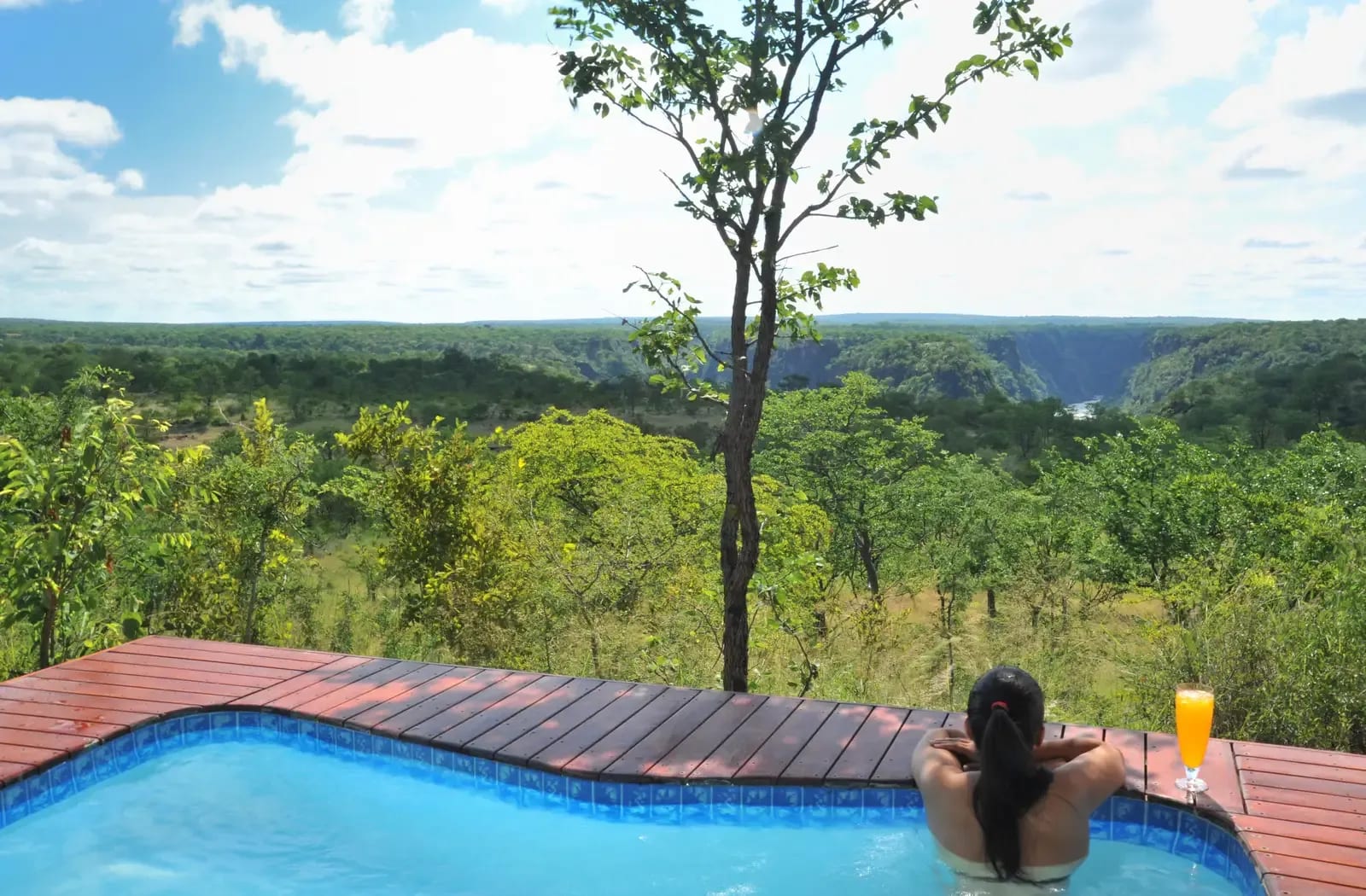
Victoria Falls National Park protects the Zimbabwean side of the falls, where the Zambezi drops about 100 metres into a gorge more than 1.7 kilometres wide, the largest sheet of falling water in the world and a World Heritage Site shared with Zambia. The rainforest path along the rim gives the classic views, wettest and most dramatic at high water from about February to May and clearest at low water late in the year. The town of Victoria Falls is the base, with rafting, bungee, helicopter flights, sunset cruises and the Zambezi National Park upstream for game drives. It is a malaria area, and Chobe in Botswana is an hour away.
Things to do: Falls viewing · White water rafting
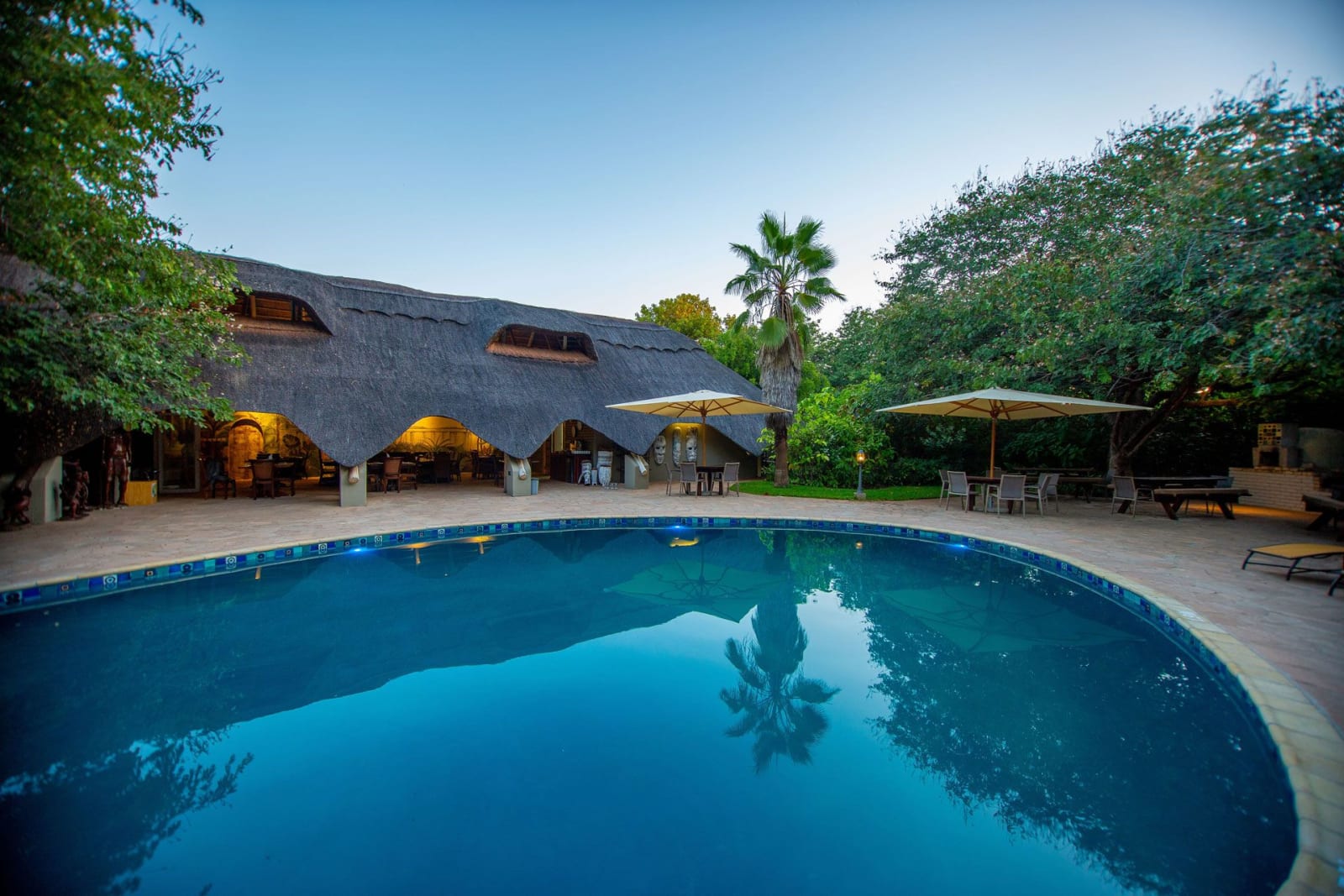
Where you can stay: Hotels · Lodges
Stay in & near Victoria Falls National Park
Inside-park stays and nearby lodges, sorted by distance.
No stays are linked to Victoria Falls National Park yet. These are the closest ones we have, by straight-line distance from the park, so check the drive before you book.