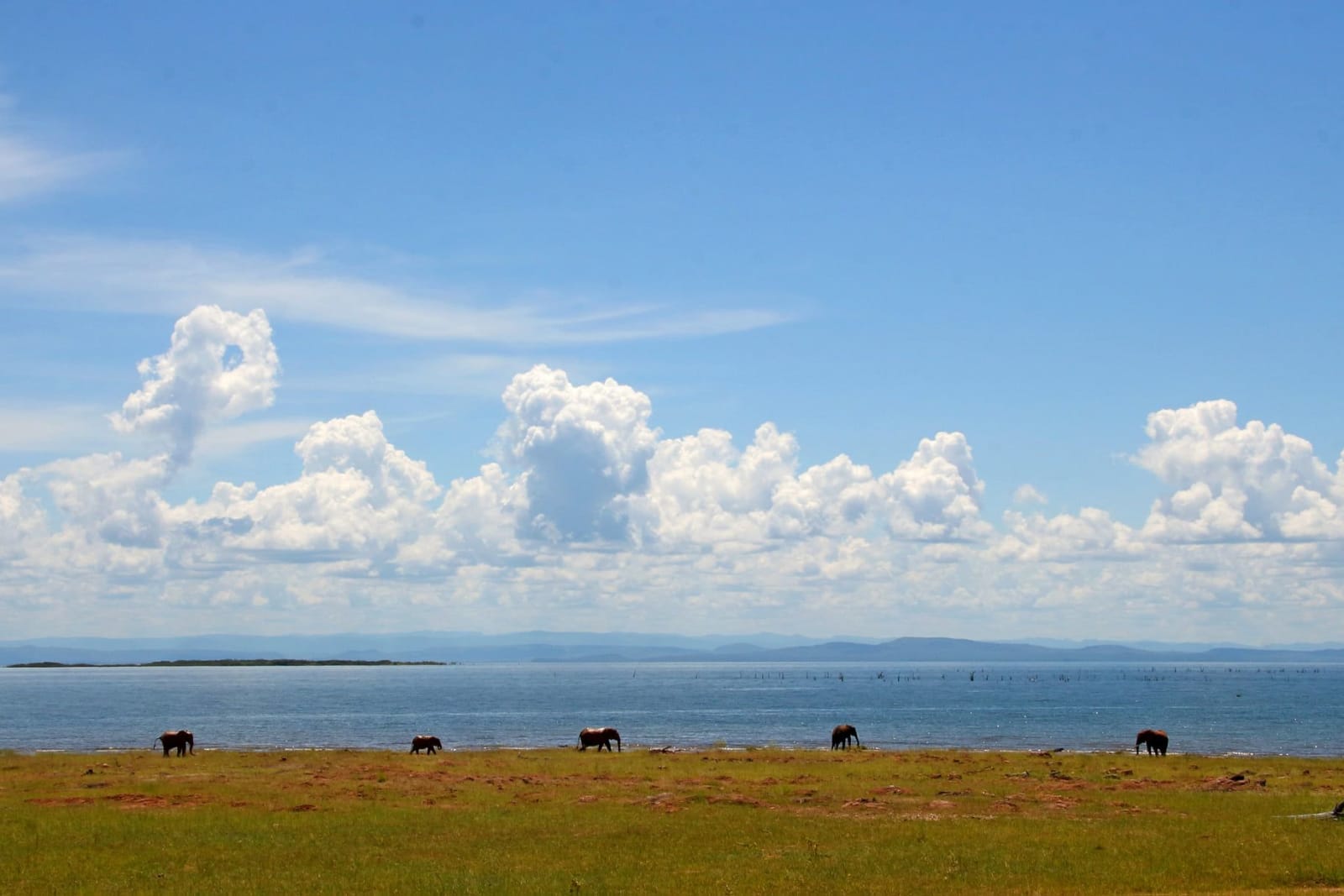
Mana Pools National Park
Canoeing with wildlife
Zimbabwe
About Mana Pools National Park
Mana Pools is a World Heritage Site on the Zambezi floodplain in northern Zimbabwe, a park of albida forest, four permanent pools and the river itself, with the Zambian escarpment as the backdrop. It is the park that allows walking without a guide, which no other in the region does, and its elephants standing on their hind legs to reach the albida pods are its best-known image. Canoeing, walking safaris and wild dog sightings are the draws; rhino were poached out and buffalo, lion, leopard and hyena remain. It is reached by 4x4 from Harare or by air, with campsites on the river and a few lodges, and the season is about May to October. It is a malaria area.
Things to do: Canoeing · Walking safaris
Where you can stay: Camping · Lodges
Stay in & near Mana Pools National Park
Inside-park stays and nearby lodges, sorted by distance.
No stays are linked to Mana Pools National Park yet. These are the closest ones we have, by straight-line distance from the park, so check the drive before you book.