Whale nursery area
Western Cape, South Africa
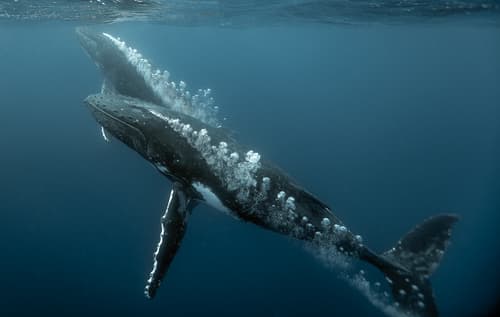
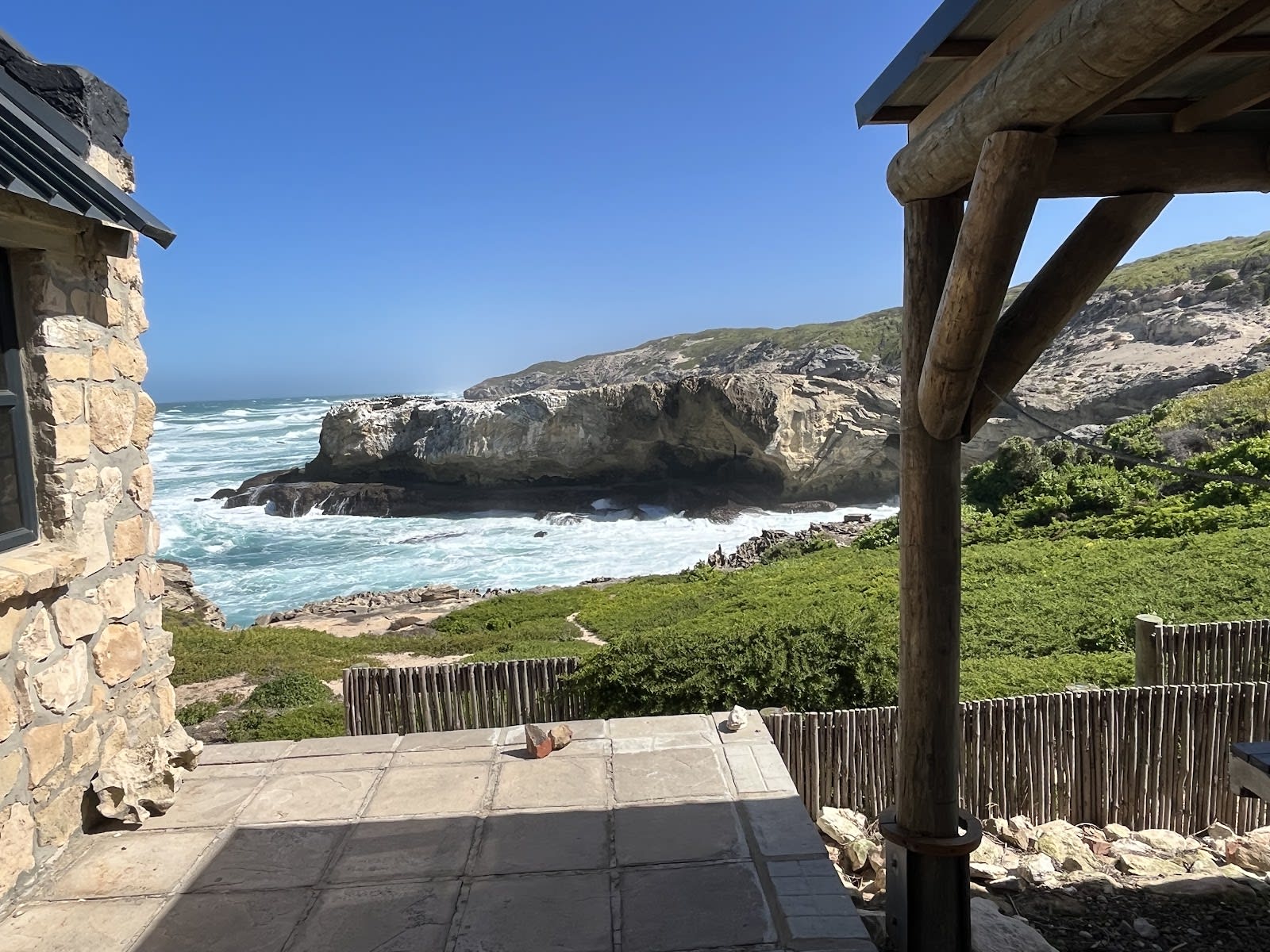
The De Hoop Marine Protected Area runs along the Overberg coast east of Cape Agulhas and is one of the most important southern right whale nurseries in the world. From about June to November the cows calve and rest in the shallow bays, often within a few hundred metres of the dunes, and Koppie Alleen is one of the best land-based whale-watching points in the country. The no-take zone has let reef fish recover to sizes rarely seen elsewhere. Access is through De Hoop Nature Reserve, which has cottages and a campsite, and the whale trail along this coast is a five-day slackpacking walk.
Read the guide: Sleeping in the Fynbos: The CapeNature Guide
Things to do: Diving · Snorkeling · Whale watching · Fishing
Where you can stay: Coastal hotels · Diving lodges
What people record most across Western Cape. Past sightings, never a guarantee.
From iNaturalist records across Western Cape, not confirmed sightings inside this reserve.
Inside-park stays and nearby lodges, sorted by distance.
No stays are linked to De Hoop Marine Protected Area yet. These are the closest ones we have, by straight-line distance from the park, so check the drive before you book.
34.5382° S, 20.4585° E50 km from Cape TownOpen in Maps
Why book here
Wild places survive when the communities around them earn more from protecting wildlife than from anything that would replace it. Every stay you book through Spekboom carries a conservation contribution built into the price, never added on top, so choosing where you sleep becomes a way to fund the people and projects keeping this landscape intact.
De Hoop Marine Protected Area is in Western Cape, South Africa.
Yes. De Hoop Marine Protected Area is in an area recorded as malaria-free, which is why it is a common choice for families with young children and for a first safari. Malaria risk can shift with the season and the year, so confirm current advice with a travel clinic before you go.
In Western Cape, commonly recorded species include animals such as Cape Dwarf Chameleon, Cape Fur Seal, Southern Right Whale, Great White Shark and birds including Agulhas Long-billed Lark, Cape Spurfowl, Orange-breasted Sunbird, based on iNaturalist occurrence data. These reflect the wider province, not confirmed sightings inside the reserve.
Day visitors need a permit for most CapeNature reserves, and CapeNature encourages booking permits online in advance to avoid disappointment at the gate. If you are staying overnight, your accommodation booking covers your stay, but check your confirmation for any extra permit requirements such as hiking trails.
Request CapeNature cottages and campsites on Spekboom. We confirm with CapeNature, then you pay on Spekboom. South African residents aged 60 and over qualify for a discount on CapeNature self-catering and camping accommodation.
The best time to visit De Hoop Marine Protected Area is Sep-Apr (flowers Aug-Oct).
Popular activities at De Hoop Marine Protected Area include diving, snorkeling, whale watching, fishing.
Other parks and reserves that share something with De Hoop Marine Protected Area.
Malaria-free parks and game reservesMarine protected areasNational parks and reserves in South AfricaNature reserves and parks in the Western CapeAll protected areas