
Go Birdingfrom Wikipedia
Kori Bustard
Ardeotis koriNear threatened
The kori bustard (Ardeotis kori) is the largest flying bird native to Africa.
Beste Reisezeit
Recorded year-round
Recorded in every month, so no month is the wrong month to look. We would rather say that than invent a best time.
Beste MonateJeder Monat
Records1,457 records
Curve from 1,457 national iNaturalist observations, not from one property. Single-month spikes are discarded as upload artefacts, and below 50 records we show no curve at all.
Wo Sie sie finden
Mpumalanga and beyond
Provinces where Kori Bustard is most recorded. Tap one to find places to stay.
1,456 records, iNaturalist
Parks, in denen Gastgeber den Kori Bustard gesichtet haben
 Kruger National ParkLimpopo · Best Apr to Sep16 Orte
 Kgalagadi Transfrontier ParkNorthern Cape · Best Aug to Oct6 Orte
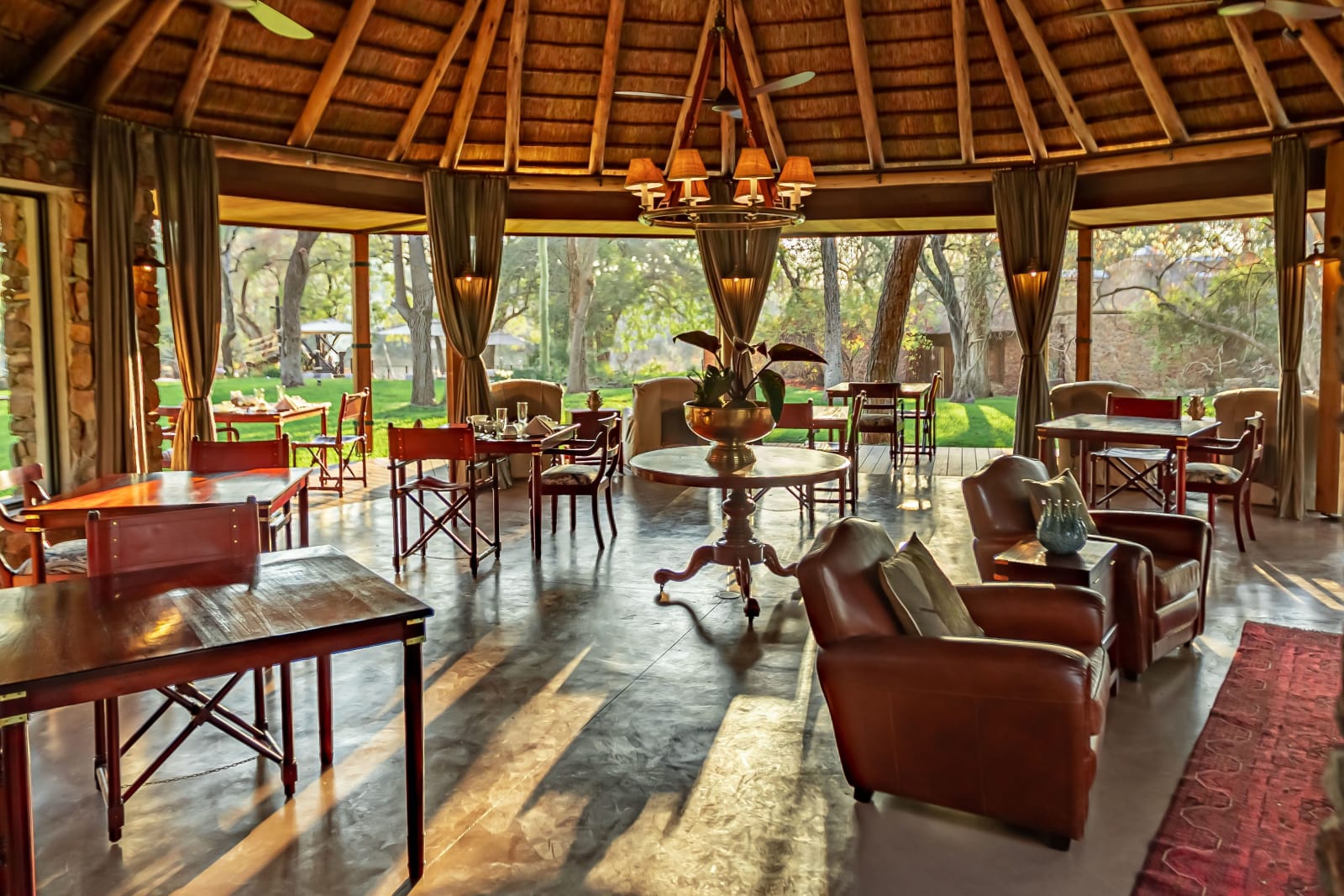 Sabi Sand Game ReserveMpumalanga · Year-round4 Orte
 Timbavati Private Nature ReserveLimpopo · Best May to Sep2 Orte
 Madikwe Game ReserveNorth West · Best Apr to Sep1 Ort
 Welgevonden Game ReserveLimpopo · Best May to Sep1 Ort
Unterkünfte
40+ Ergebnisse in Südafrika




- Which parks and reserves are best for the Kori Bustard in South Africa?
- Hosts on Spekboom have recorded the Kori Bustard at stays in or beside Kruger National Park, Kgalagadi Transfrontier Park, Sabi Sand Game Reserve, Timbavati Private Nature Reserve, Madikwe Game Reserve and Welgevonden Game Reserve. A record means a host has seen it on the property or nearby, which makes these the places to base yourself; it is never a guarantee of a sighting on any given day.
- Where can you see the Kori Bustard in South Africa?
- The Kori Bustard is most recorded in Mpumalanga (34% of records), Limpopo (26% of records), Northern Cape (21% of records), based on 1 456 iNaturalist observations. 42 places to stay on Spekboom in South Africa have recorded the Kori Bustard on site or nearby.
- When is the best time to see the Kori Bustard?
- The Kori Bustard is recorded throughout the year, so no month is the wrong month to look for it. For the parks where hosts record it most, these are the best seasons they give. Kruger National Park: Apr-Sep; Kgalagadi Transfrontier Park: Aug-Oct, flowers, Mar-May; Sabi Sand Game Reserve: year-round, dry season May-Sep optimal; Timbavati Private Nature Reserve: May-Sep, dry season. In the dry months animals concentrate at water and the grass is short.
- What is the conservation status of the Kori Bustard?
- The Kori Bustard (Ardeotis kori) is listed as Near Threatened on the IUCN Red List.
- What is the Kori Bustard?
- The kori bustard (Ardeotis kori) is the largest flying bird native to Africa. It is a member of the bustard family, which all belong to the order Otidiformes and are restricted in distribution to the Old World. It is one of the four species (ranging from Africa to India to Australia) in the large-bodied Ardeotis genus.